
Supreme Court bars illegal detention as lawyers cite Emergency
Context
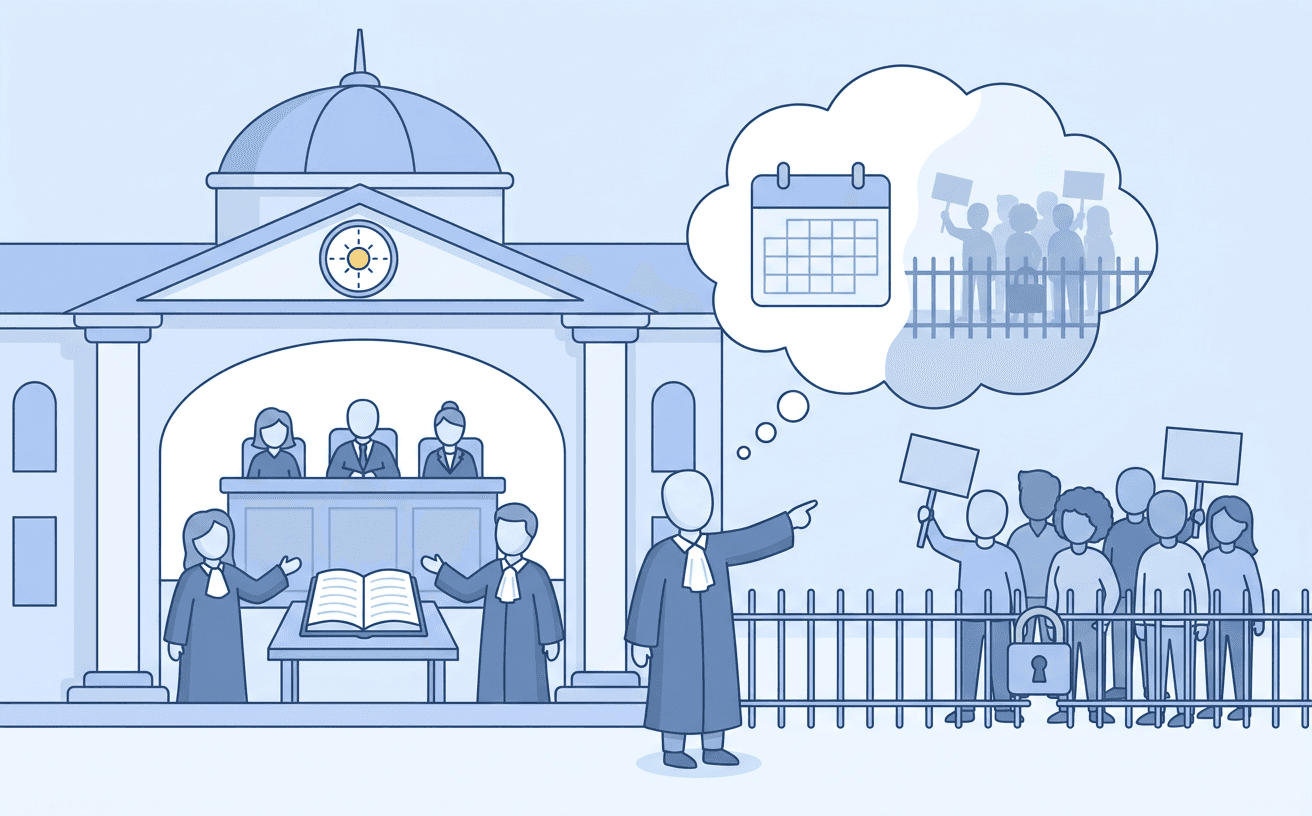
The held an extraordinary Sunday hearing to address mass detentions and severe restrictions on civil liberties in Delhi, which lawyers compared to the 1975 Emergency. The court ordered the government to stop illegal detentions, ensure free movement, and lift prohibitory orders around courts, emphasizing the balance between constitutional rights and the state's power to maintain public order.
Exam perspectives
The Supreme Court's intervention highlights the critical role of the judiciary in protecting fundamental rights, particularly the right to peaceful assembly and freedom of movement under Article 19 and the protection against arbitrary arrest and detention under Article 21 and Article 22. The mass detentions, without formal arrest procedures, raise serious concerns about the violation of the constitutional mandate to produce a detained person before a magistrate within 24 hours. The court's directive to lift prohibitory orders under Section 163 BNSS (formerly Section 144 CrPC) in areas around courts underscores the necessity of ensuring unhindered access to justice. The comparison to the Emergency period serves as a stark reminder of the potential for state overreach and the enduring importance of constitutional safeguards. UPSC aspirants must analyze the delicate balance between individual liberties and the state's authority to impose reasonable restrictions for public order, a recurrent theme in constitutional law.
The incident reveals significant governance challenges in managing protests and maintaining public order while respecting democratic rights. The use of mass detentions, internet shutdowns, and restrictions on public transport as crowd control measures often leads to widespread disruption and allegations of authoritarianism. The Supreme Court's insistence on affidavits detailing the closure of Metro stations and compliance with earlier orders to issue advisories points to a demand for administrative accountability and transparency. Effective governance requires law enforcement agencies to employ proportionate measures, ensuring that restrictions are targeted and minimal, rather than resorting to blanket clampdowns that paralyze the city. This case study underscores the need for standardized operating procedures for police during large-scale protests that align with constitutional principles and human rights standards.
The protests were triggered by the deletion of registered voters during the Special Intensive Revision of electoral rolls, reflecting deep-seated anxieties about the integrity of the electoral process and the right to vote. The demographic diversity of the detainees—students, senior citizens, professionals, journalists, and activists—indicates a widespread societal concern regarding perceived democratic deficits. The state's response, characterized by aggressive policing and mass detentions, can foster a chilling effect on civic engagement and freedom of expression. The incident underscores the tension between an increasingly assertive civil society demanding accountability and a state apparatus that often views dissent as a threat to public order. Understanding these dynamics is crucial for comprehending the evolving nature of state-society relations in contemporary India.
Key references
AI-generated study notes, sourced from The Hindu. Verify facts and figures with standard sources.