
Tamil Nadu may approach Supreme Court seeking greater powers for Cauvery Water Management Authority
Context
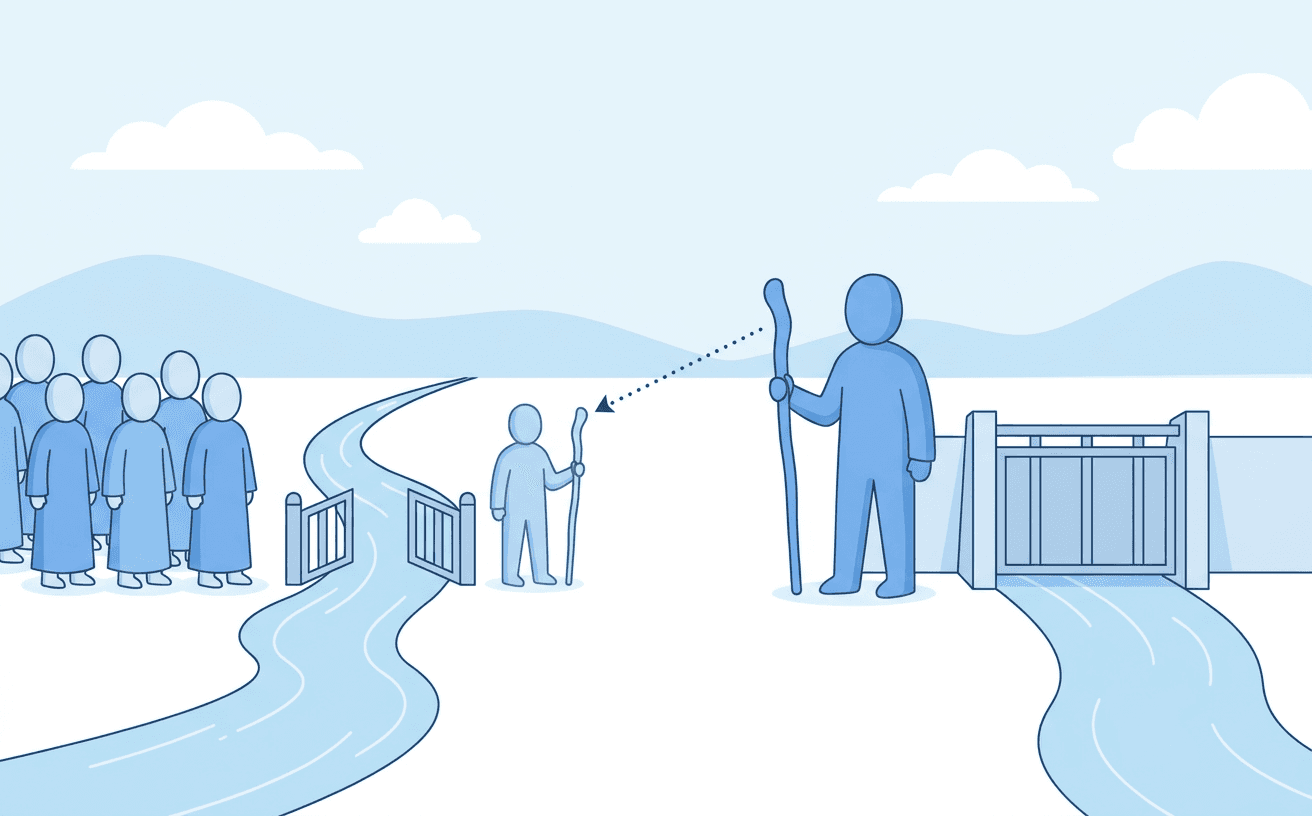
Tamil Nadu is considering petitioning the Supreme Court to grant the (CWMA) greater enforcement powers, similar to the (BBMB). This follows Karnataka's repeated failure to release the mandated quantum of Cauvery water, highlighting the CWMA's inability to enforce its own orders during periods of distress or deficit rainfall.
Exam perspectives
The dispute highlights the ongoing challenges of inter-state water dispute resolution within India's federal structure. Under Article 262 of the Constitution, Parliament can adjudicate disputes regarding inter-state rivers. This led to the enactment of the Inter-State River Water Disputes Act, 1956 (ISRWDA). The Cauvery Water Disputes Tribunal (CWDT) was constituted under this Act. The creation of the Cauvery Water Management Authority was a step to implement the CWDT's award, as modified by the Supreme Court in 2018. However, Tamil Nadu's grievance underscores a critical flaw in the current framework: the lack of a robust enforcement mechanism. The state argues that without 'teeth' to compel compliance from upper riparian states like Karnataka, the authority of the CWMA is undermined, leading to recurring conflicts during distress years. The demand to model the CWMA on the Bhakra Beas Management Board—which manages and regulates projects directly—suggests a desire for a more centralized and empowered federal body to oversee sensitive resource sharing, shifting power away from state control over headworks.
The functioning of the Cauvery Water Management Authority presents a classic case study in the efficacy of statutory regulatory bodies. The CWMA is tasked with determining the quantum of water to be released, assessing inflows, and ensuring the implementation of the Tribunal's award. The current crisis, where Karnataka allegedly failed to comply with five out of seven release orders, points to an implementation deficit. The situation is exacerbated by the absence of an agreed-upon distress sharing formula—a crucial mechanism to proportionately reduce allocations when rainfall is below normal. While the Central Water Commission data shows a 54% shortfall in Karnataka's reservoirs, translating this proportionally to Tamil Nadu's share remains a contentious issue. The CWMA's failure to address the resulting backlog of nearly 17 tmc ft raises questions about its capacity for effective conflict resolution and its ability to act as an impartial, authoritative arbiter. This scenario often prompts the Supreme Court to intervene, blurring the lines between judicial oversight and executive/administrative water management.
The Cauvery water dispute is fundamentally rooted in the geography of the river basin and the competing demands of an upper riparian state (Karnataka) and a lower riparian state (Tamil Nadu). The Cauvery River originates in the Western Ghats (Brahmagiri Hill) in Karnataka and flows through Tamil Nadu before emptying into the Bay of Bengal. Karnataka's development of extensive irrigation infrastructure (reservoirs like Krishnaraja Sagara, Kabini, Hemavathi, and Harangi) has increased its capacity to utilize the river's waters, often at the expense of downstream flows to Tamil Nadu, particularly during the crucial Samba cultivation season. The geography of the basin means that Tamil Nadu relies heavily on the North-East monsoon, while Karnataka depends on the South-West monsoon. Variations in these monsoon patterns directly impact water availability. The conflict intensifies during years of deficit rainfall or hydrological drought, as both states struggle to meet the demands of their agricultural sectors, highlighting the acute vulnerability of agriculture to climate variability in shared river basins.
Key references
AI-generated study notes, sourced from The Hindu. Verify facts and figures with standard sources.