
The road to a disease-free world goes through water
Context
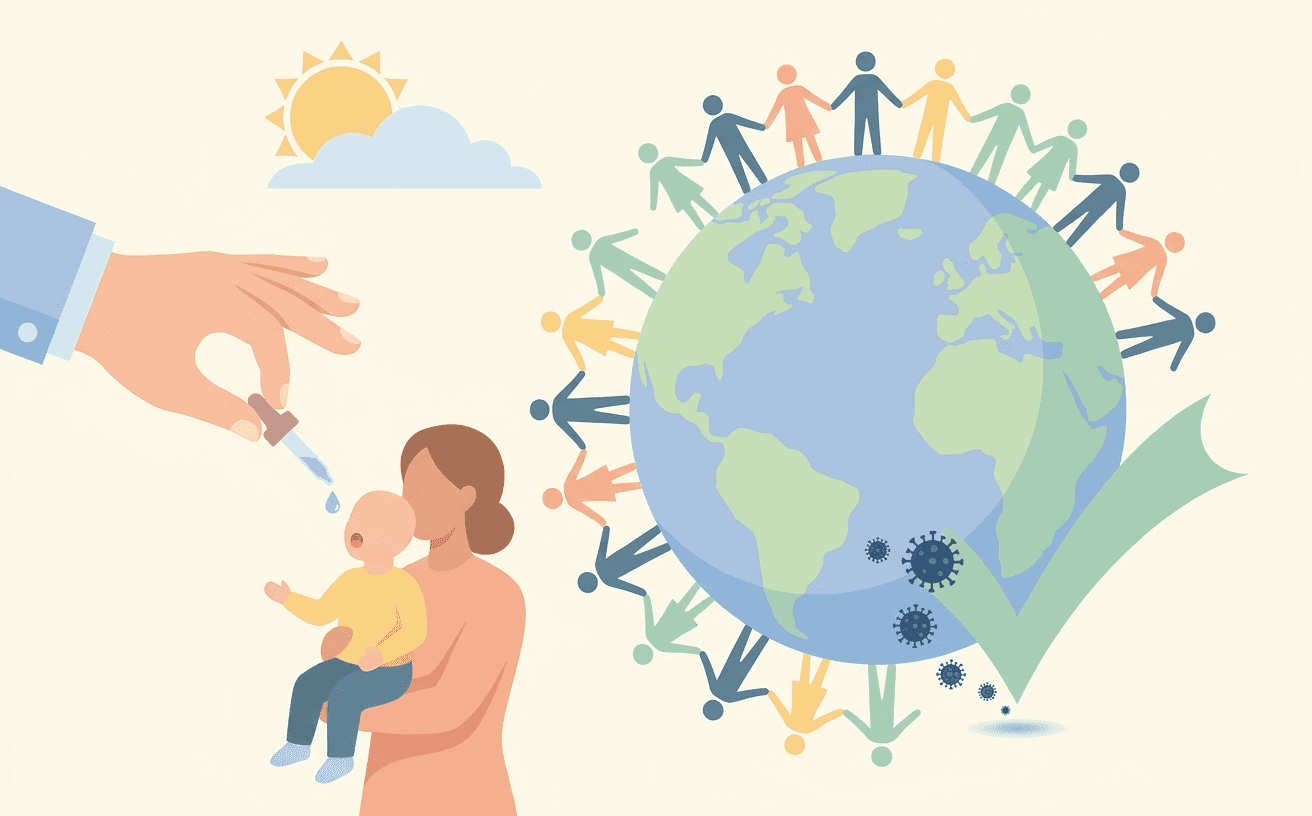
This editorial highlights the near-eradication of polio globally, with cases of the wild poliovirus dropping by over 99% since 1988 due to vaccination, surveillance, and community outreach. However, it emphasizes that the final stage of eradication requires addressing systemic issues, particularly water infrastructure, which can inadvertently facilitate the transmission of waterborne diseases like polio.
Exam perspectives
The global fight against polio is a classic example of successful public health interventions. The near-eradication was achieved through a multi-pronged approach: widespread vaccination campaigns (like the Pulse Polio Immunization program in India), rigorous disease surveillance to detect outbreaks early, and extensive community outreach to overcome vaccine hesitancy. This demonstrates the importance of a comprehensive strategy in tackling infectious diseases. However, the editorial points out that achieving zero cases (the 'last mile') requires moving beyond just medical interventions. UPSC often asks about the challenges in eradicating diseases; this highlights that sustaining eradication requires addressing the underlying social determinants of health, specifically access to safe water, sanitation, and hygiene (WASH). Without robust WASH infrastructure, the risk of transmission remains, particularly for diseases transmitted via the fecal-oral route, like polio.
The editorial underscores a critical aspect of governance in public health: the need for inter-sectoral coordination. Eradicating a disease like polio cannot be the sole responsibility of the health ministry. It requires integrated action with departments responsible for water supply and sanitation. The Swachh Bharat Mission and the Jal Jeevan Mission are crucial Indian initiatives in this context, aiming to provide universal sanitation and piped water supply. For UPSC, this highlights the concept of convergence in policy-making. Effective governance requires breaking down silos; health outcomes are deeply intertwined with infrastructure development. A failure to provide safe drinking water and adequate sanitation can undermine the success of expensive vaccination programs. Therefore, public health policy must inherently include robust water management strategies.
From an environmental perspective, the transmission of waterborne diseases like polio is fundamentally linked to water quality and sanitation infrastructure. Poliovirus is shed in the feces of infected individuals and can contaminate water sources in areas with inadequate sewage treatment or open defecation. This highlights the critical importance of protecting water bodies from pollution and ensuring proper wastewater management. The environmental transmission pathway is a significant hurdle in the 'end game' of polio eradication. For UPSC, this connects to the broader topic of water pollution and its impact on human health. It emphasizes that environmental health and public health are inextricably linked. Ensuring the provision of safe, clean water is not just an infrastructure challenge but a fundamental environmental requirement for disease prevention.
Key references
AI-generated study notes, sourced from The Hindu. Verify facts and figures with standard sources.