
U.S. immigration restrictions may outlast Trump
Context
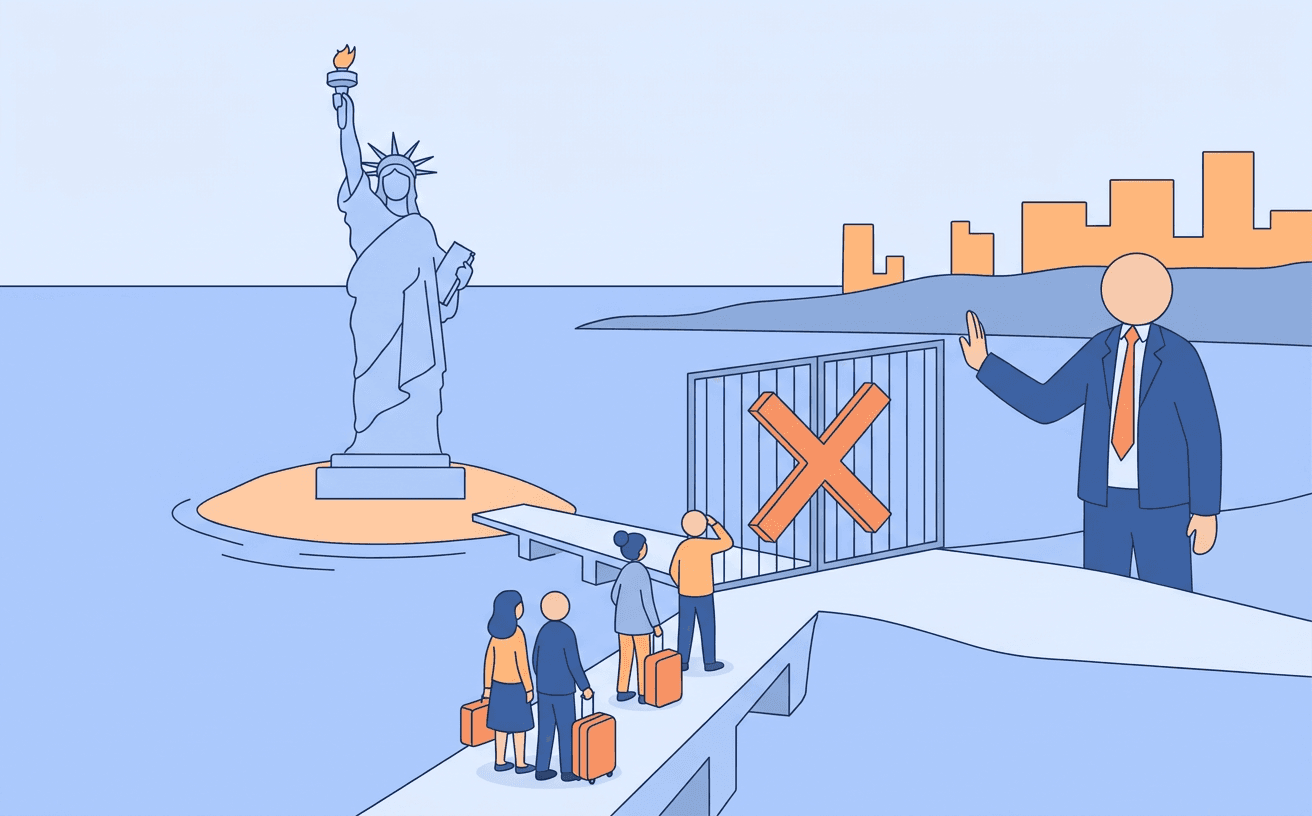
The United States, under the second term of the Donald Trump administration, is actively restricting legal immigration, notably through changes to the program and suspensions of the process. These actions disproportionately affect Indian nationals and IT firms, who constitute a significant portion of H-1B beneficiaries, and are likely to remain a friction point in regardless of future political shifts in the U.S.
Exam perspectives
The article highlights migration as a complex facet of India-U.S. bilateral relations. The H-1B visa program allows U.S. employers to temporarily employ foreign workers in specialty occupations, and Indian nationals secure approximately 70% of these approvals. The U.S. administration's tightening of these rules—through measures like a proposed $100,000 fee for certain petitions and a wage-weighted selection system—demonstrates a protectionist approach to domestic employment. For UPSC, this illustrates how domestic political imperatives in a host country can directly impact the Indian diaspora and bilateral ties. Aspirants should note that this trend reflects deeper, bipartisan political currents in the U.S. focused on immigration reform, suggesting that visa friction will remain a structural issue in the relationship, requiring nuanced diplomatic engagement from India.
The restrictions on the H-1B visa program have significant economic implications for both India and the U.S. For the U.S., these visas are crucial for its technology sector to fill skill gaps. However, the introduction of a wage-weighted selection system aims to prioritize higher-paid foreign workers, potentially discouraging the hiring of entry-level talent and impacting cost structures. From the Indian perspective, IT service companies heavily rely on this pathway to deploy professionals for U.S. clients. The suspension of the Program Electronic Review Management (PERM) process, which is the first step in obtaining employment-based permanent residency, creates uncertainty for long-term workers. UPSC candidates should connect this to the broader theme of trade in services, particularly Mode 4 (Presence of natural persons) under the General Agreement on Trade in Services (GATS). India consistently advocates for liberalized visa regimes to support its services export sector.
The U.S. immigration policy shifts provide a case study in how administrative actions can significantly alter policy outcomes without requiring new legislation. Changes to visa renewal procedures and the fee impositions are executive decisions aimed at shaping the labor market. This highlights the power of executive agencies in policy implementation. For UPSC, this can be compared to the functioning of regulatory bodies and delegated legislation in India. The sustained nature of these policies, driven by a bipartisan consensus on protecting domestic jobs, underscores how deep-seated national interests often dictate foreign policy and trade stances, regardless of the political party in power.
Key references
AI-generated study notes, sourced from The Hindu. Verify facts and figures with standard sources.