
What is the importance of the UN Loss and Damage Fund’s payout to Nepal? | Explained
Context
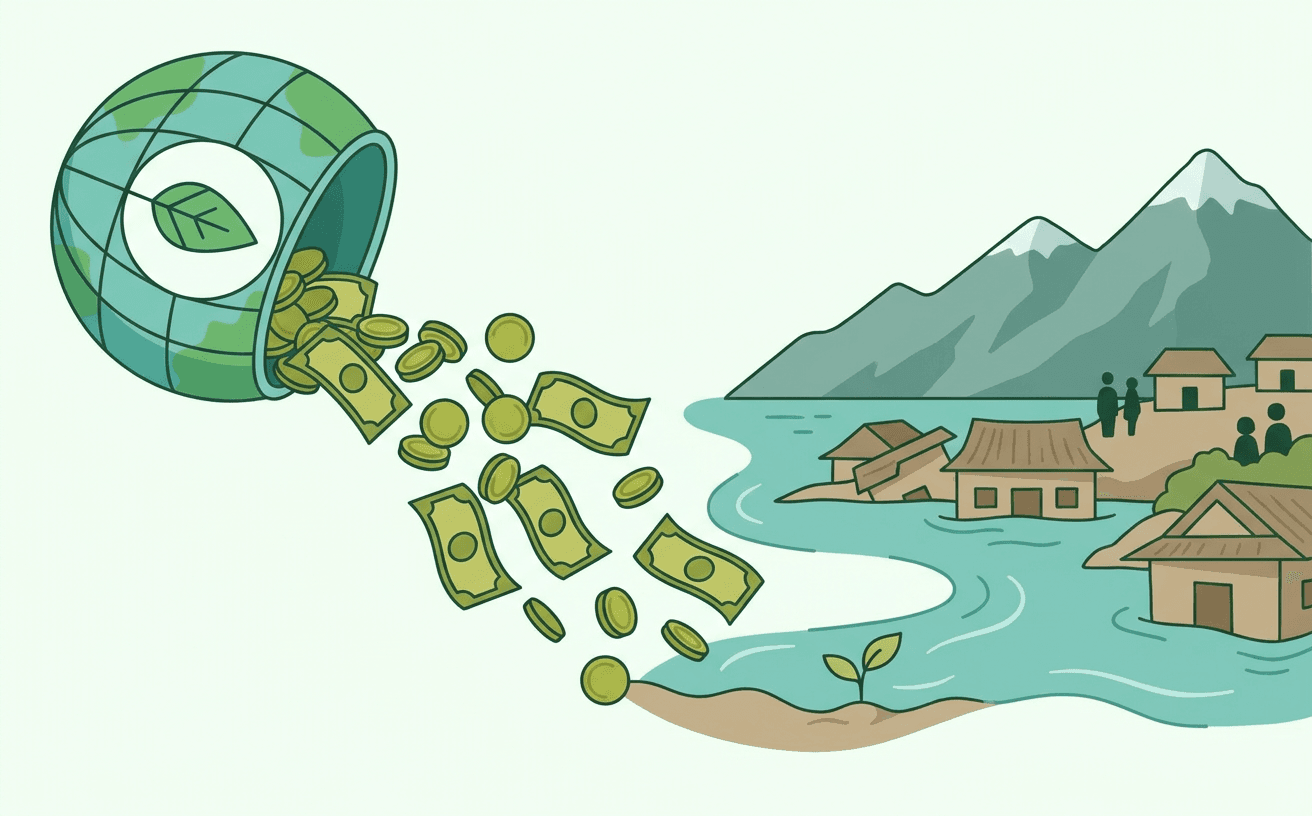
The 's has approved its first-ever payout, allocating $21.6 million to Nepal following devastating floods linked to climate change. This marks a critical milestone for the fund, which was operationalized at to assist vulnerable developing nations in responding to economic and non-economic losses from extreme weather events. The decision highlights ongoing debates regarding the fund's operational speed, the adequacy of its capitalization, and the geopolitical dynamics surrounding climate finance commitments.
Exam perspectives
The Loss and Damage Fund (L&D Fund) represents the third pillar of international climate action, alongside mitigation (reducing emissions) and adaptation (preparing for changes). It specifically addresses the irreversible impacts of human-accelerated global warming, such as the catastrophic floods in Nepal triggered by an ice-and-rock avalanche. The fund covers both economic losses (infrastructure, agricultural output) and non-economic losses (loss of life, cultural heritage, biodiversity). UPSC candidates must understand the distinction between adaptation funding, which is proactive, and L&D funding, which is reactive and acknowledges that some impacts of climate change cannot be adapted to. This payout to Nepal underscores the vulnerability of mountainous regions and the immediate need for financial mechanisms that address the aftermath of slow-onset events and extreme weather.
The operationalization of the Loss and Damage Fund is deeply intertwined with global climate diplomacy, reflecting the principle of Common but Differentiated Responsibilities and Respective Capabilities (CBDR-RC). Developing countries, historically low emitters, successfully lobbied for this fund, arguing that historic emitters must bear responsibility for climate damages. The current challenges of the fund highlight critical geopolitical fault lines. Firstly, the withdrawal of US representatives under the Trump administration from the fund's board, mirroring previous exits from the Paris Agreement, weakens the fund's financial credibility and highlights the volatility of climate commitments from major developed nations. Secondly, the tension between developed countries insisting this payout doesn't set a precedent and developing nations demanding structural, rapid-response mechanisms exposes the ongoing struggle over the long-term governance and capitalization of climate finance within the UNFCCC framework.
The structural design and governance of the Loss and Damage Fund are crucial for its effectiveness, particularly concerning its ability to act as an emergency response mechanism. The fund is currently hosted by the World Bank as its interim trustee, raising concerns about its alignment with developing nations' needs and its bureaucratic agility. Critics argue it operates like a conventional development fund, hindered by a lengthy, multi-step funding cycle—from origination to board approval—which is incompatible with the urgent needs of disaster-struck countries like Nepal. The fact that the 4.71 billion recovery need, and that actual disbursement hinges on further project proposals, highlights the gap between pledges and accessible funds. The debate centers on reforming the financial architecture to enable rapid disbursement, moving away from project-based models towards systemic support for countries facing climate emergencies.
Key references
AI-generated study notes, sourced from The Hindu. Verify facts and figures with standard sources.