
Why has Centre sanctioned fresh infrastructure along the China border in Arunachal Pradesh? | Explained
Context
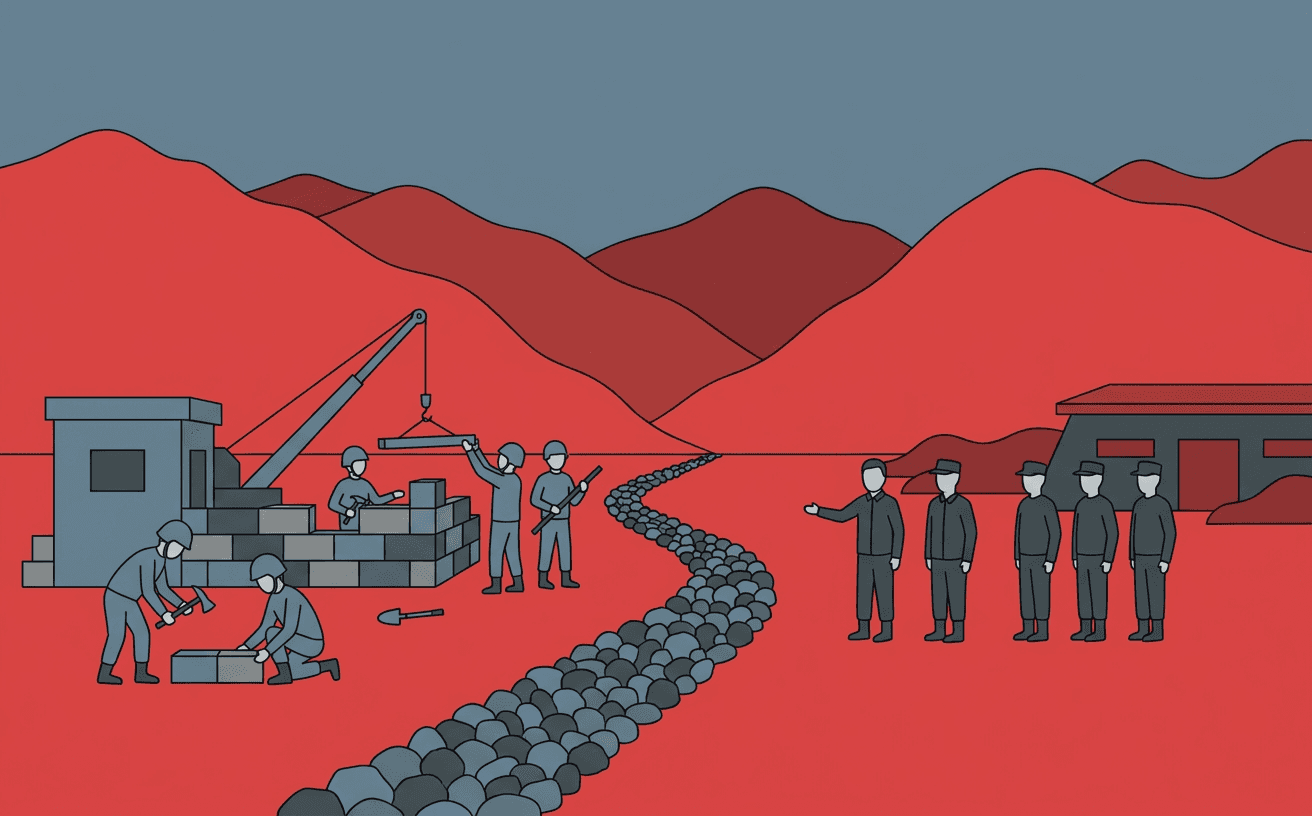
Amidst ongoing face-offs with the Chinese Army along the (LAC) in Arunachal Pradesh, the (ITBP) has sanctioned the construction of new border infrastructure. Earlier in 2024, the (CCS) approved the third phase of the Indo-China Border Roads (ICBR-III) project, which involves constructing 26 roads along the LAC in Arunachal Pradesh to enhance connectivity and troop mobility.
Exam perspectives
The development highlights the critical importance of border management along the Line of Actual Control (LAC). Unlike the Line of Control (LoC) with Pakistan, the LAC is not mutually agreed upon, leading to frequent incursions and face-offs due to differing perceptions of the border. The Indo-Tibetan Border Police (ITBP), a Central Armed Police Force (CAPF) under the Ministry of Home Affairs, is the primary force responsible for guarding the Indo-China border. Infrastructure development in remote border areas is crucial for rapid troop mobilization, logistical support, and effective patrolling. The Cabinet Committee on Security (CCS), headed by the Prime Minister, plays a vital role in taking decisions on matters relating to national security, defense expenditure, and higher appointments. For UPSC Mains (GS-3), questions often focus on the challenges of managing the LAC, the role of CAPFs, and the strategic imperative of robust border infrastructure to counter China's assertiveness.
This move is deeply connected to the broader geopolitics of the Indo-Pacific and the complex bilateral relations between India and China. China claims the entirety of Arunachal Pradesh as "Zangnan" or South Tibet, a claim India consistently rejects. The infrastructure push by India is a response to China's rapid and extensive construction of roads, railway networks, and 'Xiaokang' (moderately prosperous) border villages on its side of the LAC. This dynamic is a manifestation of the security dilemma, where actions taken by one state to enhance its security (like building border roads) are perceived as threatening by the other, leading to counter-measures. India's strategy involves strengthening its deterrence capabilities through projects like the Indo-China Border Roads (ICBR). For UPSC (GS-2), understanding the historical context of the boundary dispute, recent border protocols, and the implications of the ongoing standoff for regional stability is essential.
The geography of Arunachal Pradesh presents formidable challenges for infrastructure development. The terrain is characterized by steep, rugged mountains, deep river valleys, and dense forests, making construction technically difficult and expensive. Furthermore, the region experiences heavy rainfall and is prone to landslides, which frequently damage existing roads. This highlights the importance of specialized organizations like the Border Roads Organisation (BRO) in executing such complex projects. The focus on Arunachal Pradesh is strategic; it shares a long border with China, Myanmar, and Bhutan. Building all-weather connectivity, such as the Sela Pass tunnel, is essential to overcome geographic barriers and ensure year-round access for both military and civilian purposes. UPSC often tests knowledge of strategic passes, valleys (like the Tawang Valley or Dibang Valley), and the geographical constraints that influence border security strategies.
Key references
AI-generated study notes, sourced from The Hindu. Verify facts and figures with standard sources.